

Vegan Shaving Brush Certifications: What Labels Mean for Ethical Shoppers
Vegan Shaving Brush Certifications: What Labels Mean for Ethical Shoppers
As the demand for cruelty-free and sustainable grooming products surges, vegan shaving brushes have emerged as a focal point for ethical consumers. Unlike traditional brushes that often use animal hair—such as badger, boar, or horsehair—vegan alternatives rely on synthetic fibers, plant-based materials, or recycled polymers. But with a growing number of "vegan" labels flooding the market, how do shoppers separate genuine ethical products from greenwashing? Understanding key certifications is critical.
What Defines a "Vegan" Shaving Brush?
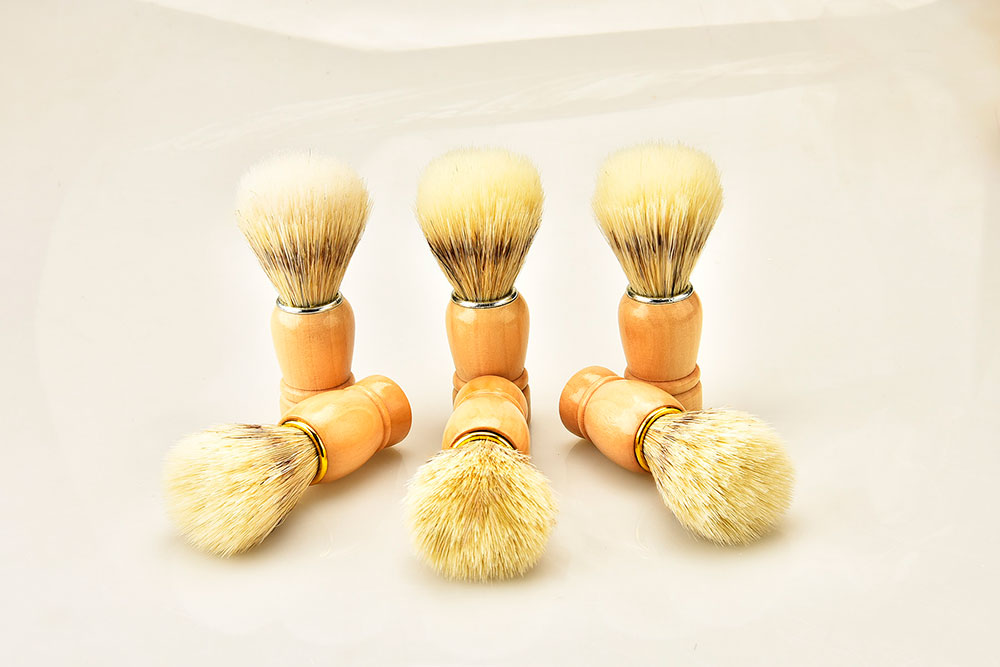
At its core, a vegan shaving brush must contain no animal-derived ingredients and must not involve animal testing at any stage of production. This includes avoiding not just obvious animal hairs but also hidden components like beeswax coatings or gelatin-based adhesives. However, "vegan" alone is not a regulated term in many regions, making third-party certifications essential for transparency.
Key Certifications to Look For
1. Leaping Bunny Certification
Administered by Cruelty Free International, the Leaping Bunny label is one of the most rigorous cruelty-free certifications. To qualify, brands must submit to independent audits proving no animal testing occurs in ingredient sourcing, product development, or manufacturing. For vegan shaving brushes, this ensures the synthetic fibers (e.g., nylon, polyester) or plant-based materials (like bamboo charcoal or agave fibers) are tested without harming animals.
2. PETA-Approved Vegan
PETA’s "Approved Vegan" logo indicates a product contains zero animal ingredients and no animal testing. Unlike some certifications, PETA does not require ongoing audits but relies on brands signing a legally binding affidavit. While this makes it more accessible for smaller brands, shoppers should verify if the brand’s supply chain aligns with strict ethical standards.
3. Vegan Society Certification
The Vegan Society’s trademarked "Vegan" label is globally recognized and requires products to meet strict criteria: no animal ingredients, no animal testing, and no cross-contamination with animal-derived materials during production. For shaving brushes, this means even the glue binding the brush head to the handle must be vegan-friendly (e.g., soy-based adhesives instead of animal-based glues).
4. EU Vegan Label
Regulated by the European Vegetarian Union, the EU Vegan Label ensures compliance with EU standards, including rigorous testing for hidden animal components. This is particularly valuable for shoppers in Europe, as it aligns with regional consumer protection laws.
Why Certifications Matter for Ethical Shoppers
Certifications act as a shield against greenwashing—a practice where brands falsely claim vegan or cruelty-free status to attract ethical consumers. For example, a brush labeled "vegan" might still use synthetic fibers tested on animals, or its handle could contain animal-derived dyes. Certifications like Leaping Bunny or Vegan Society provide third-party validation, giving shoppers confidence that their purchase aligns with their values.
Beyond ethics, certified vegan brushes often prioritize sustainability. Many brands use recycled plastics for brush handles or biodegradable synthetic fibers, reducing environmental impact. This dual focus on animal welfare and eco-friendliness resonates with today’s conscious consumers, who increasingly seek products that reflect both values.
Navigating the Market: Tips for Shoppers
- Check for multiple certifications: A brush with both Leaping Bunny and Vegan Society labels offers layered assurance.
- Research the brand’s supply chain: Even with certifications, reputable brands will openly share sourcing practices (e.g., recycled materials, ethical labor).
- Avoid vague claims: Phrases like "animal-friendly" or "eco-conscious" without certification are red flags.
The Future of Vegan Shaving Brushes
As certifications become more mainstream, manufacturers are innovating to meet higher standards. New synthetic fibers, such as those made from recycled ocean plastic or plant-based cellulose, are improving lather quality and durability—debunking the myth that vegan brushes underperform compared to animal-hair alternatives. For ethical shoppers, these advancements, paired with clear certifications, make choosing a vegan shaving brush easier than ever.
In a market where ethics and transparency matter, certifications are not just labels—they are a promise. By understanding what each logo represents, shoppers can make informed choices that align with their values, driving demand for truly cruelty-free and sustainable grooming products.


